
A car health checkup typically covers the engine, battery, brakes, tyres, fluids, lights, belts, and suspension - checking condition only, without replacing any parts unless separately approved.
 customercare@amararaja.com
 1800-571-4848
-
- Follow us:


customercare@amararaja.com1800-571-4848 Amaron
Share this blog


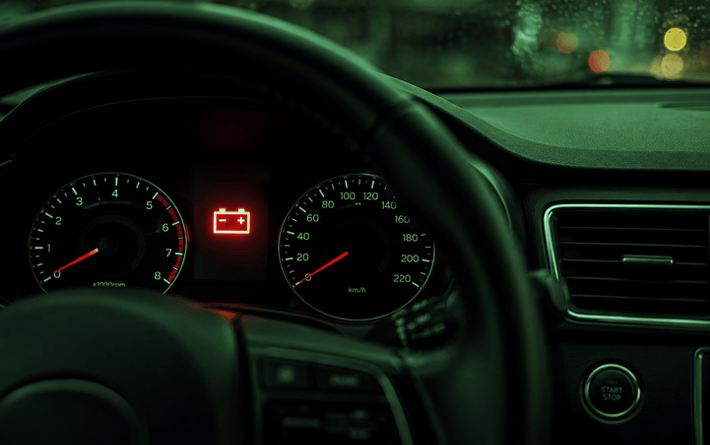
A car health checkup is a diagnostic-only, multi-point inspection that examines your engine, battery, brakes, tyres, fluids, lights, and other key systems without carrying out any repairs or replacements. It typically costs ₹300-800 for a basic check and up to ₹1,200-1,500 for a more comprehensive inspection with diagnostic tools, and is worth booking every 3-6 months or before a long drive.
It's easy to confuse a health checkup with a regular service, but the two do different jobs. A service replaces parts on a schedule; a health checkup simply tells you the current condition of everything, so you know what actually needs attention before you pay for it.
A thorough car servicing checkup works through your car system by system, without touching or replacing anything unless you separately approve it.
A health checkup and a service sound similar but serve different purposes, and knowing which one you actually need saves both time and money.
| Factor | Health Checkup | Regular Service (PMS) |
|---|---|---|
| Purpose | Diagnose current condition | Scheduled maintenance and part replacement |
| Parts replaced | None, unless separately approved | Yes, per the service checklist |
| Follows a fixed schedule | No, done as needed | Yes, manufacturer-defined intervals |
| Typical cost | ₹300 - ₹1,500 | ₹2,500 and above, depending on segment |
In practice, the two work well together - a checkup can happen between scheduled services whenever something feels off, without waiting for the next PMS milestone.
A proper checkup ends with a clear report, not just a verbal summary. It typically lists each system checked, its current condition, and whether anything needs attention now or is worth monitoring. This gives you a written reference to plan future maintenance around, rather than relying on memory or a technician's passing comment.
A basic checkup covering the core systems - battery, brakes, tyres, fluids, and lights - typically costs ₹300-800. A more comprehensive inspection that includes diagnostic tool checks and a detailed written report can run ₹1,000-1,500. Costs vary by city and provider, but a checkup should always cost meaningfully less than a scheduled service, since it involves inspection only and no parts or labour for repairs.
Amaron Assist offers doorstep health checkups that cover the core systems - battery, brakes, fluids, tyres, and general inspection - with a certified technician examining your car at your location and sharing a clear report afterward. It's a straightforward way to know exactly where your car stands before deciding what, if anything, needs further attention.
A car health checkup typically covers the engine, battery, brakes, tyres, fluids, lights, belts, and suspension - checking condition only, without replacing any parts unless separately approved.
A health checkup is diagnostic-only and doesn't follow a fixed schedule, while a regular service includes scheduled part replacement and follows manufacturer-defined intervals.
A basic checkup typically costs ₹300-800, while a more comprehensive inspection with diagnostic tools and a detailed report can cost ₹1,000-1,500.
Every 3-6 months is a reasonable routine, along with additional checkups before long drives, after heavy monsoon exposure, or before buying or selling a car.
Yes, a proper checkup should end with a written report listing each system checked and its condition, so you have a clear reference for planning any follow-up maintenance.

In the domain of two-wheeler batteries, Amaron emerges as a symbol of reliability. Their products are meticulously designed using advanced technologies to ensure longevity.