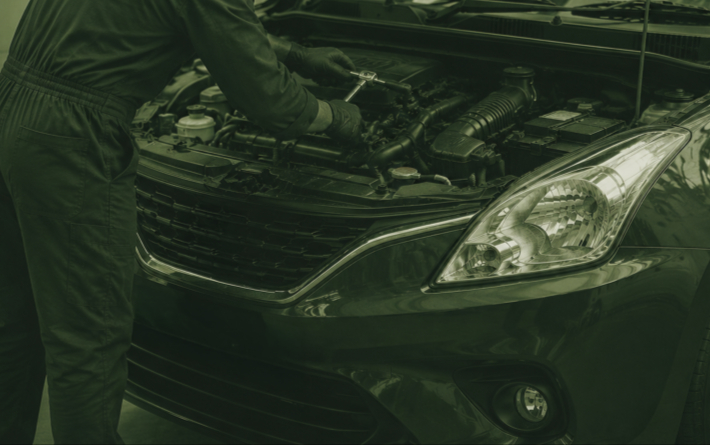
Car Service Types & Intervals: How Often Should Your Car Be Serviced in India?

Car Service Types & Intervals

In India, most petrol cars should be serviced every 6 months or 10,000 km - whichever comes first. Diesel cars follow a similar interval but the kilometre mark matters more than the time gap. EVs need servicing every 10,000-20,000 km depending on the model, but require far fewer components to be checked. 

These are the baselines. Your actual interval depends on your car's age, fuel type, how you drive, and where - city stop-go traffic degrades engine oil significantly faster than highway driving, and Indian summers accelerate wear on fluids and batteries in ways that temperate climates don't.

This guide covers what determines your service interval, the correct schedule for every fuel type, when to service before the interval, what skipping costs you, and how used car servicing differs from a new car's schedule. 

What Is a Service Interval - and What Determines It?

A service interval is the maximum time or distance a car should travel between scheduled maintenance visits - whichever limit is reached first. The interval is set by the manufacturer based on how quickly the car's critical fluids, filters, and components degrade under normal operating conditions.

The reason intervals are measured in both time and distance is that each captures a different type of degradation. Distance reflects mechanical wear - how much the engine, brakes, and drivetrain have been used.

Time reflects chemical degradation - engine oil oxidises and loses viscosity even in a car that sits unused, brake fluid absorbs moisture from the air over months, and rubber seals harden and perish regardless of how far the car has driven.

A car that covers only 4,000 km per year still needs a service at the 6-month or 12-month mark. A car that covers 20,000 km per year needs service at the mileage trigger, not the time one. Both triggers exist to ensure no car goes too long without attention regardless of how it is used.

In Indian conditions, four factors shift what the manufacturer's stated interval means in practice:

  • Engine type: Diesel engines accumulate combustion by-products (soot, blow-by gases) faster than petrol engines, making the km interval more critical for diesel
  • Driving pattern: City stop-go driving with frequent idling is far more demanding on engine oil than highway cruising at steady RPM. A car used exclusively in Delhi or Mumbai traffic effectively degrades its oil faster per km than the same car on a highway
  • Vehicle age: Older engines with more wear produce more combustion gases that contaminate oil faster, shortening the effective interval
  • Climate: Sustained under-bonnet temperatures above 40°C in Indian summers accelerate oil breakdown, particularly for conventional mineral oil

Car Service Interval Guide - Petrol, Diesel, and EV

Petrol Cars

India's most common fuel type. The correct interval depends on the engine generation and oil type used:

Engine / Oil TypeRecommended IntervalNotes
BS6 petrol with full synthetic oilEvery 10,000 km or 12 monthsCan stretch to 15,000 km if confirmed by manufacturer - check owner's manual
BS6 petrol with semi-synthetic oilEvery 7,500-10,000 km or 6-12 monthsMost practical choice for mixed city and highway use
BS4 or older petrol enginesEvery 7,500 km or 6 monthsOlder engine tolerances produce more blow-by gases that degrade oil faster
Heavy city use (any petrol)Every 7,500 km or 6 monthsStop-go traffic is harder on oil than the manufacturer's interval assumes

Diesel Cars

Diesel engines produce more combustion by-products than petrol engines, making the kilometre interval more critical. Time-based intervals are less forgiving for diesel.

Engine / UsageRecommended IntervalNotes
BS6 diesel with full synthetic oilEvery 10,000 km or 12 monthsDo not stretch beyond 10,000 km - diesel soot accumulation is consistent regardless of oil grade
BS4 or older dieselEvery 7,500 km or 6 monthsOlder diesel engines accumulate soot faster - strictly follow the km interval
High annual mileage diesel (20,000+ km/year)Every 10,000 kmKm-based trigger will be reached before the time trigger - follow it closely
City-heavy diesel useEvery 7,500 km or 6 monthsIdling and short trips are particularly hard on diesel engines

Electric Vehicles (EVs)

EVs have significantly fewer service requirements than petrol or diesel cars - no engine oil, no spark plugs, no timing belt, no exhaust system. But they are not maintenance-free. Battery health checks, regenerative brake inspection, coolant system service, tyre rotation, and software updates all need scheduled attention.

ModelService IntervalKey Service Items
Tata Nexon EV15,000 km or 12 monthsBattery health check, brake fluid, tyre rotation, cabin air filter, software update
MG ZS EV10,000 km or 12 monthsBattery check, brake inspection, coolant, tyre rotation
Mahindra XUV40010,000 km or 12 monthsBattery health, brake system, fluid checks, tyre rotation
BYD Atto 320,000 km or 12 monthsBattery check, brake fluid, cabin filter, software update
Hyundai Ioniq 515,000 km or 12 monthsBattery health, brake inspection, coolant, tyre rotation

EVs wear tyres 20-30% faster than equivalent petrol cars due to the instant torque and heavier vehicle weight - tyre rotation and replacement intervals are shorter than most EV owners expect. The 12V auxiliary battery also follows the same 3-4 year replacement cycle as a conventional car battery and is a commonly overlooked EV maintenance item.

When to Service Earlier Than Scheduled

The manufacturer's service interval is calculated for normal operating conditions. Several situations in India push a car past normal conditions and require bringing the service forward:

  • Sustained city driving with daily stop-go traffic: If more than 70% of your driving is urban, treat the interval as 20% shorter than stated. Engine oil degrades faster per km in city conditions than highway driving
  • Monsoon season: Increased humidity, waterlogged roads, and mud on underbody components mean brake, suspension, and fluid checks are advisable at the end of monsoon regardless of the interval
  • Peak summer driving: Sustained heat above 40°C accelerates coolant and oil degradation. Have coolant and oil levels checked at the start of summer even if a service is not due
  • After a long highway trip: A single trip of 2,000+ km covers a significant portion of the service interval in a short period; check fluid levels before and after
  • If the car has been sitting unused for 3+ months: Time-based degradation of fluids continues even when the car isn't driven. Oil, brake fluid, and battery condition all need checking
  • If warning lights appear: Any check engine, oil pressure, or temperature warning before the service interval is due overrides the schedule; the car needs attention immediately

What Skipping a Service Actually Costs You

"My car is running fine" is the most expensive attitude in car ownership. The damage from a skipped service is rarely immediate - it accumulates silently until something fails.

What Gets SkippedWhat Actually HappensCost of the Consequence
Engine oil changeOil thickens, oxidises, and loses lubricating ability. Metal surfaces wear against each other with increasing friction.Engine wear repair or rebuild: ₹20,000-₹2,00,000+
Air filter replacementRestricted airflow forces the engine to work harder. Fuel economy drops 5-15%.Additional fuel cost over months + potential MAF sensor damage: ₹3,000-₹10,000
Brake fluid changeBrake fluid absorbs moisture and its boiling point drops. In heavy braking, vapour bubbles form in the lines - brake fade or failure.Brake system overhaul if fluid boils: ₹5,000-₹20,000
Coolant flushDegraded coolant loses its anti-corrosion additives. Internal corrosion in the radiator, water pump, and engine block develops.Radiator replacement or water pump: ₹5,000-₹25,000
Timing belt inspectionAn undetected worn or cracked timing belt snaps without warning. Engine valves collide with pistons at speed.Engine rebuild after timing belt failure: ₹40,000-₹1,50,000
Spark plug replacementMisfires develop, catalytic converter is damaged by unburnt fuel.Catalytic converter replacement: ₹8,000-₹30,000

The pattern is consistent: every skipped service item has a repair consequence that costs 5-20 times the cost of the service itself. The oil change that was delayed by three months to save ₹2,000 is the same oil change that allows engine wear costing ₹50,000 to develop.

Car Servicing for Used Cars

Used car servicing requires a different approach from a new car's straightforward manufacturer schedule. The service history - or absence of it - determines where you start.

Check the Service History First

Before determining a service interval for a used car, establish what has actually been maintained. A complete stamped service record from an authorised centre is the most reliable indicator. Key questions to answer from the records:

  • When was the last service, and what was done? If the previous owner was on a 10,000 km interval but you drive the car harder in city traffic, that interval may need tightening
  • Is there a gap in the service record? A 2-year gap in a 5-year-old car's history means components that should have been replaced likely haven't been
  • Has the timing belt been replaced at the manufacturer's recommended interval? This is the single most critical item to verify in any used petrol or diesel car above 60,000 km
  • What oil type was used at the last service? If the car was serviced with mineral oil and you're switching to synthetic, confirm this is compatible with the engine specification

When There Is No Service History

A used car with no service record - common in India's private used car market - should be treated as overdue for everything regardless of its age or apparent condition. The practical approach:

  • Book a comprehensive inspection at a trusted workshop immediately after purchase: Identify what needs attention before it becomes a roadside breakdown
  • Change the engine oil and filter regardless of when it was last done: Oil condition cannot be assessed from appearance alone
  • Have the brake fluid tested for moisture content: Brake fluid older than 2 years in Indian humidity almost always needs replacement
  • Inspect the timing belt visually if accessible: Any cracking, glazing, or fraying warrants immediate replacement regardless of mileage
  • Reset the service schedule from the inspection date: Treat it as a fresh start and follow the interval appropriate for the car's age and your driving pattern

How Usage Affects Used Car Intervals

A used car's service interval should be shorter than a new car's in most cases. Older engines produce more blow-by gases that contaminate oil faster. Worn seals allow more moisture ingress into fluids. Components that are approaching end-of-life are more sensitive to delayed maintenance than new ones.

A practical rule: for a used car under 5 years old with a complete service history, follow the manufacturer's interval. For a used car over 5 years old, or one with gaps in its service record, service every 6 months or 7,500 km - whichever comes first - regardless of what the owner's manual states for a new vehicle.

Car Servicing Costs in India

Service costs vary by vehicle segment, service type, and whether you use an authorised centre or a reputable independent workshop. Here are realistic ranges for 2025:

Service TypeHatchbackSedanSUV / MUV
Basic / Minor Service (oil + filter + inspection)₹2,500 - ₹5,000₹3,500 - ₹7,000₹5,000 - ₹10,000
Standard Service (+ air filter, fluids check)₹4,000 - ₹7,000₹5,000 - ₹9,000₹7,000 - ₹14,000
Major Service (+ spark plugs, brake fluid, cabin filter)₹7,000 - ₹15,000₹9,000 - ₹20,000₹12,000 - ₹28,000
Timing Belt Replacement₹5,000 - ₹10,000₹7,000 - ₹14,000₹10,000 - ₹20,000
EV Service (battery check + standard items)₹3,500 - ₹6,000₹4,000 - ₹8,000₹5,000 - ₹9,000

Authorised service centres charge a premium of 20-40% over independent workshops for the same work. For cars under warranty, authorised service is recommended to maintain coverage. For out-of-warranty vehicles, a reputable independent workshop with proper equipment delivers the same quality at lower cost - verify that they use genuine or OEM-equivalent parts.

Car Servicing & Maintenance with Amaron Assist

Keeping up with service intervals is the single most effective thing you can do for your car's long-term health - and Amaron Assist by Amara Raja Energy & Mobility makes it easier to stay on schedule. Certified technicians come to your location for oil changes, brake inspections, battery health checks, and comprehensive vehicle checkups, delivering professional car servicing & maintenance without the inconvenience of a workshop visit.

Transparent pricing, flexible scheduling, and a detailed service report after every visit - so you always know what was done, what was found, and when your next service is due. 

Frequently Asked Questions

  • Does a car need servicing if it hasn't been driven much?

    Yes. Engine oil oxidises, brake fluid absorbs moisture, and coolant loses its anti-corrosion properties regardless of distance driven. A car covering only 3,000 km in a year still needs service at the 12-month mark; the time trigger exists specifically for low-mileage vehicles.

  • What happens if I delay my car service by a few months?

    Degraded oil accelerates engine wear. Moisture-contaminated brake fluid lowers the boiling point and can cause brake fade. A timing belt past its inspection interval can fail without warning. The repair cost of any of these consequences is typically 5-20 times the cost of the delayed service.

  • How do I service a used car with no service history?

    Treat it as overdue for everything. Change the engine oil and filter immediately. Test the brake fluid for moisture. Inspect the timing belt - replace it if there is any doubt. Book a comprehensive inspection to establish a baseline, then service every 6 months or 7,500 km going forward.

idea

In the domain of two-wheeler batteries, Amaron emerges as a symbol of reliability. Their products are meticulously designed using advanced technologies to ensure longevity.