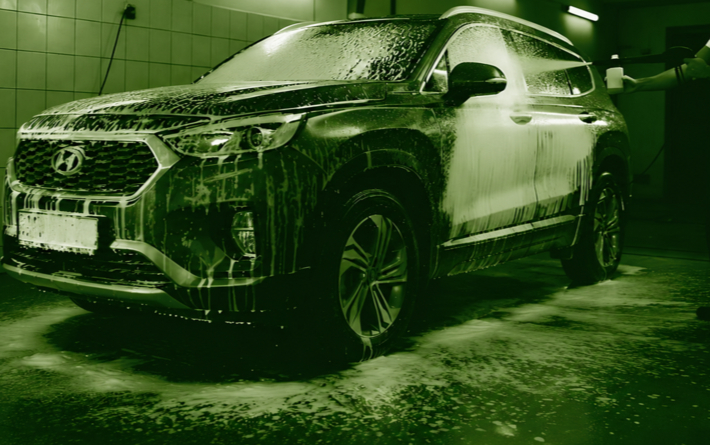
Car Wash & Cleaning: The Complete Guide for Indian Car Owners

Car Wash & Cleaning: The Complete Guide for Indian Car Owners

A car wash is the process of cleaning your vehicle’s exterior and interior to remove dirt, dust, grime, bird droppings, and road contaminants. For Indian car owners, this isn’t optional maintenance - dusty highways, monsoon mud, city pollution, and harsh summer heat make your car one of the most exposed surfaces you own. Done right, a regular car wash protects your paint, preserves resale value, and keeps your car looking the way it did when you first drove it out of the showroom.

Why Regular Car Washing Protects More Than Just Your Paint?

Most people wash their car when it visibly looks dirty. By then, the damage had already begun.

Indian roads expose your car to a unique combination of threats that most car owners underestimate:

ContaminantWhat It Does
Bird droppingsAcidic - eats through clear coat within 48 hours in summer heat
Dust & fine particlesActs like sandpaper on paint every time someone brushes against the car
Monsoon mudCarries minerals that corrode metal, especially on the underbody
Hard water depositsLeft by roadside washes - dulls paint and stains glass over time
Coastal salt airAccelerates corrosion on metal trims and underbody components

Beyond paint, a dirty car is also a safety issue. Grime on windshields and mirrors reduces visibility. Blocked number plates are a traffic violation. And a consistently neglected exterior significantly drops resale value - buyers and evaluators notice paint condition first.

How often should you wash? Once every two weeks is the baseline for most Indian car owners. Weekly washes make sense if you park outdoors, drive on dusty highways, or live in coastal cities. Post-monsoon, always include an underbody rinse to prevent rust buildup.

Types of Car Wash Services Available in India

Not all car washes are equal. Here’s what’s actually available and what each one does:

Service TypeWhat It CoversBest ForApprox. Cost
Basic Exterior WashRinse and wipe-downSurface dust removal between deep cleans₹100-₹300
Foam WashPre-foam + hand wash with pH-balanced shampooRegular fortnightly maintenance₹400-₹1,200
Steam WashHigh-temp steam for exterior and interiorSanitising, crevices, fabric seats₹500-₹1,500
Automatic Machine WashTunnel/bay with rotating brushes and water jetsQuick clean, not ideal for paint-conscious owners₹200-₹600
Full Detail / Car SpaWash + polish + wax + interior deep cleanQuarterly reset for overall car condition₹2,500-₹10,000+
Mobile /  Doorstep Car WashProfessional comes to your home or officeConvenience without compromising quality₹700-₹1,500

Note: Automatic machine washes with rotating brushes accumulate grit from hundreds of previous cars. Over time, this causes fine swirl marks on your paint. For newer cars or freshly detailed ones, a foam-based hand wash or touchless wash is always the safer choice. 

Car Wash Equipment You Should Know About

Whether you’re washing at home or stepping into a professional bay, the equipment doing the work directly affects your paint’s condition.

  • Pressure Washer: Delivers high-pressure water to remove caked-on dirt before any contact washing begins. Essential for a safe pre-rinse. Home-use models start at ₹3,000-₹10,000.
  • Foam Cannon / Foam Gun: Attaches to a pressure washer or hose and generates thick foam from shampoo. Gives the product dwell time on the surface to break down dirt before you physically touch the car - reducing scratch risk significantly.
  • Microfiber Wash Mitt: Unlike sponges, microfiber fibres trap dirt particles inside rather than dragging them across paint. Non-negotiable if swirl marks are a concern.
  • Two-Bucket System: One bucket holds the shampoo solution; the second is for rinsing your mitt after each panel. This one habit alone prevents most wash-induced scratches.
  • Microfiber Drying Towel: Minimum 400 GSM. Regular towels and terry cloth drag grit across wet paint. Microfiber lifts water off the surface cleanly.
  • Detailing Brushes: For tight spots a mitt can’t reach - alloy wheel spokes, door handle recesses, badges, and AC vents.

What Car Wash Chemicals Actually Do to Your Car?

The products used matter as much as the technique. Using the wrong ones is how paint gets quietly damaged over time.

Pre-Wash / Snow Foam

Applied before any contact with the car. Sits on the surface, loosens heavy contamination, and gets rinsed off - so you’re not rubbing grit into paint with your mitt. Mildly alkaline and effective, but use it as a pre-step only.

Car Shampoo

The core of every wash. Must always be pH-neutral (pH 6-8). This range cleans through surfactant action - the chemicals encapsulate dirt particles and lift them off - without stripping your protective wax or ceramic coating.

Many cheap shampoos sold online in India don’t list their pH at all. That’s a red flag. Avoid dish soap and household detergents entirely - these sit at pH 9-10, strip wax in a single wash, and degrade ceramic coatings over time. 

Tar & Bug Remover

Highway tar, insect splatter, and tree sap don’t come off with regular shampoo. A dedicated spot cleaner dissolves these without harsh scrubbing - used before the main wash.

Wheel Cleaner

Brake dust is highly corrosive. Wheels need a separate cleaner and a completely separate mitt. Never use the same tools on your wheels and painted panels.

Protective Finish - Wax, Sealant, or Ceramic Coating

ProductHow It WorksHow Long It LastsBest For
WaxSacrificial barrier against UV, heat, droppings4-6 weeksDIY, regular home use
Paint SealantSynthetic polymer bonding to clear coat3-6 monthsBetter protection, still DIY-friendly
Ceramic CoatingChemical bond with paint for hard protective layer1-3 yearsBest long-term protection, professional application

Habits That Keep Your Car Cleaner Between Washes

Washing well is half the job. What you do in between determines how long results last.

Wax every 3-4 months. A good wax coat acts as a sacrificial barrier - it absorbs damage from UV rays, heat, and bird droppings so your paint doesn’t have to. Post-wax, water beads off the surface and subsequent washes take significantly less effort.

Keep a spray detailer handy. A quick detailer spray and a microfiber cloth can remove bird droppings, dust, and fingerprints on the spot - before they have time to etch into paint.

Think seasonally. Pre-monsoon is the ideal time to wax and seal your car. Post-Diwali, wash immediately - firecracker residue contains chemicals that stain unprotected paint. Before Holi, apply a wax layer as a barrier against synthetic colour dyes that can permanently mark clear coat.

Be mindful of where you park. Trees mean sap and droppings. Regular outdoor parking increases how often you need to wash. Covered or garage parking between washes makes a measurable difference to paint condition over time.

When a Professional Full Car Detail Makes a Real Difference

A regular wash handles what’s on the surface. A professional detail handles what’s underneath it.

Over time, cars accumulate contamination that ordinary washing simply cannot fix - embedded iron particles from brake dust, tar spots, water marks from mineral-heavy water, and fine swirl marks from previous careless washes. Left untreated, these slowly degrade your paint even when the car looks reasonably clean.

A full professional detail addresses this systematically:

  • Decontamination wash: Removes bonded surface contaminants that shampoo misses
  • Paint correction: Machine polishing to remove swirl marks and restore paint clarity
  • Interior deep clean: Seat fabric, door pockets, dashboard, and AC vents
  • Protective finish: Wax, sealant, or ceramic coating depending on the car’s condition and owner’s preference

For Indian cars facing daily pollution, dust, and heat, a full detail every 3-4 months is sensible maintenance, not indulgence. The improvement in paint clarity after correction alone is significant - and it directly reflects in resale value when you decide to upgrade.

What a Professional Car Wash Actually Looks Like, Step by Step

Knowing what a proper professional car wash involves helps you evaluate whether you’re actually getting one - or just paying for a bucket and a sponge.

  1. Wheels and tyres first: Cleaned with dedicated tools and chemicals, completely separate from painted surfaces. Brake dust contaminates everything it touches.
  2. Pre-wash foam application: Foam is applied across the entire car and left to dwell for a few  minutes. No physical contact yet: Foam does the work of loosening contamination first.
  3. Pressure rinse: All loosened grime is rinsed off before hand washing begins. This step alone prevents the majority of wash-induced scratches.
  4. Two-bucket hand wash: Top to bottom, panel by panel, with a clean microfiber mitt. The mitt is rinsed in the second bucket after every panel.
  5. Full rinse: Every surface is rinsed thoroughly. No product residue left around door handles, boot edges, or side mirrors.
  6. Immediate microfiber drying: Panel by panel. Air drying is never acceptable at a professional standard - it leaves water spots, especially with hard water common across Indian cities.
  7. Glass cleaning: Dedicated glass cleaner applied for streak-free clarity, inside and out.
  8. Tyre and trim dressing: Tyre shine applied. Exterior plastic trims dressed to restore colour and prevent fading.
  9. Interior vacuum and wipe-down: Dashboard, console, door pockets, seats, and floor mats - all addressed before handover.
  10. Final inspection: A walk-around check for any missed spots, streaks, or residue before the car is returned.

If a service skips the pre-wash foam or uses a single dirty bucket throughout, your paint is absorbing the risk. 

Get a Professional Car Wash at Your Doorstep with Amaron Assist

Everything covered in this guide - the right chemicals, proper equipment, correct technique - is exactly what most roadside washes skip. And finding a service that actually follows the process properly, without you having to drive anywhere, is the real challenge for most car owners.

That’s where Amaron Assist comes in. Built specifically for Hyderabad car owners, Amaron Assist brings a fully equipped  professional car wash service at your home or office . Trained marshals arrive with the right tools, pH-safe products, and a process built to protect your paint - not just make it look clean for a day. No waiting, no dropping your car off, no compromising on quality. Just a cleaner, better-maintained car, on your schedule, wherever you are.

Frequently Asked Questions

  • How often should I wash my car?

    Once every two weeks is the standard recommendation for most car owners. If you park outdoors, live in a dusty city, or drive on highways regularly, weekly washes are better. After the monsoon season, always do a thorough wash that includes the underbody to prevent rust.

  • Can I use dish soap or household detergent to wash my car?

    No. Dish soap sits at pH 9-10, which strips protective wax and dulls your paint with every wash. Always use automotive-grade, pH-neutral car shampoo. Many roadside washes in India use similar industrial cleaners because they’re cheap - visually effective in the short term, damaging over time.

  • What is the difference between a car wash and a full detail?

    A car wash is a regular surface clean. A full detail is a comprehensive treatment - decontamination, paint correction, deep interior cleaning, and a protective coating. A wash is a fortnightly habit; a detail is a quarterly reset.

  • Is an automatic machine wash safe for my car?

    Automatic washes with rotating brushes can leave fine swirl marks on paint over time because the brushes trap grit from multiple cars. A foam-based hand wash or touchless wash is safer for long-term paint condition.

  • Does regular car washing improve resale value?

    Yes, significantly. Well-maintained paint with no swirl marks, staining, or corrosion consistently commands a higher resale price. Paint condition is one of the first things a trained evaluator checks.

  • What products should I never use on my car?

    Dish soap, household detergents, and any shampoo that doesn’t list its pH. Also avoid using the same mitt or bucket for wheels and painted surfaces - brake dust is corrosive and contaminates everything it contacts.

Interlinking

Doorstep Car Wash

Professional car wash service at your home  

Proper professional car wash

idea

In the domain of two-wheeler batteries, Amaron emerges as a symbol of reliability. Their products are meticulously designed using advanced technologies to ensure longevity.