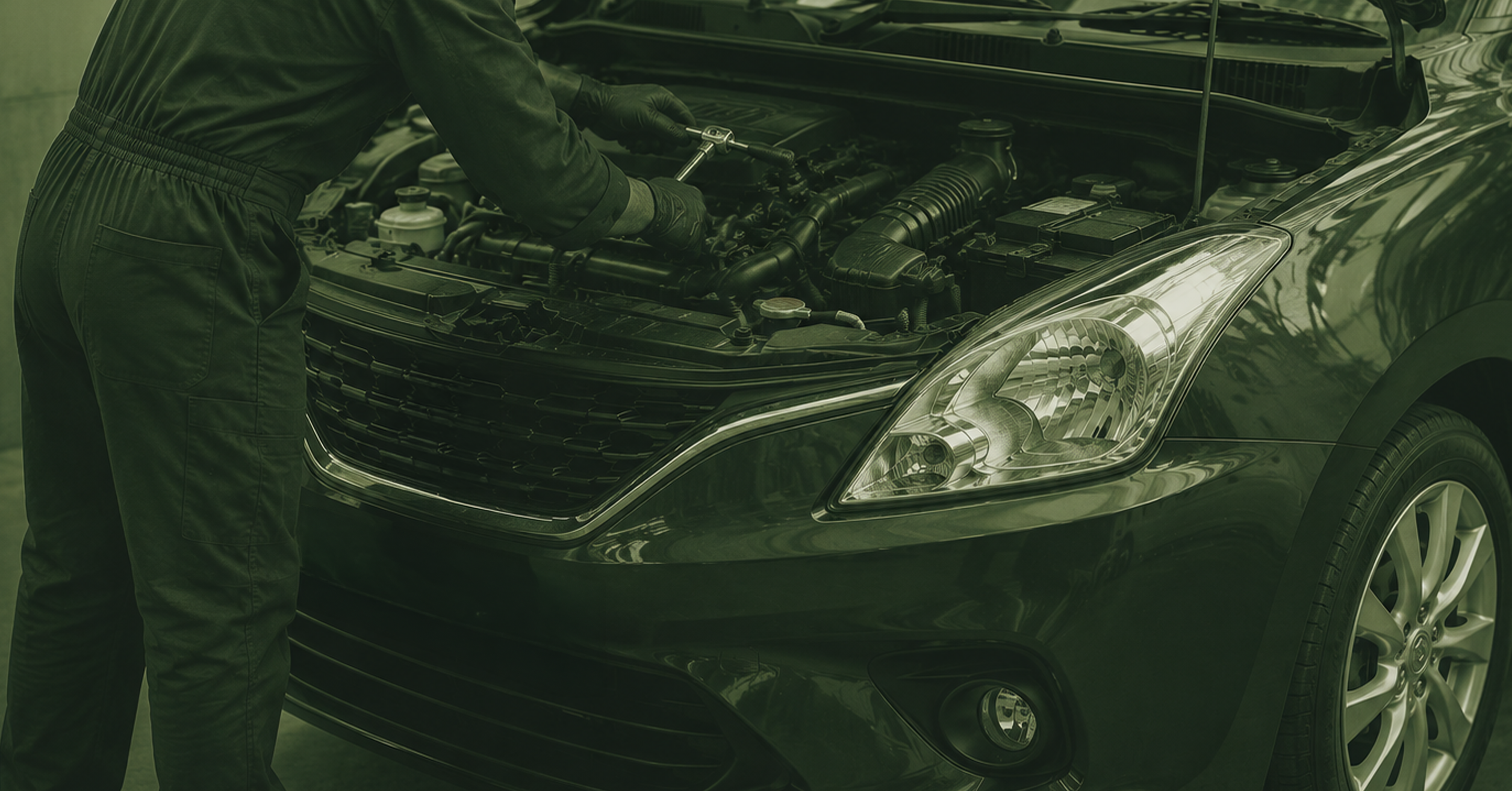
The Pre-Road-Trip Car Checklist Every Driver Should Run

The Pre-Road-Trip Car Checklist Every Driver Should Run

A pre road trip car checklist that actually helps goes system by system, engine and fluids, brakes, tyres, electrical, and safety equipment, and explains what each check is actually verifying rather than just listing tasks to tick off. Most checklists tell you to check tyre pressure without saying what pressure, or check your brakes without describing what a problem actually feels like. That gap is where most trip-day surprises come from, not from skipping the checklist entirely, but from checking the right things without knowing what a pass or fail actually looks like. This breaks down each system properly, so you know not just what to check, but what you're actually looking for.

Engine and Fluids

Engine oil should sit between the MIN and MAX marks on the dipstick, and the colour matters as much as the level. Amber to light brown is normal, black and gritty means it's overdue regardless of when the manual says the next service is due. This is one of the most basic parts of any road trip car check India drivers run, yet colour is the part most people skip. Check it on level ground with the engine cold, since a warm engine gives a false low reading as oil drains back slowly.

Coolant should sit between the reservoir's MIN and MAX marks and stay a consistent colour with no oily sheen on the surface. A sheen usually means a head gasket or oil cooler issue worth checking before a long drive with sustained highway speeds. Never open the radiator cap on a hot engine.

Brake fluid, power steering fluid, and washer fluid round out the fluid check. A dropping brake fluid level without any obvious leak is worth a proper look before you leave, since it can point to worn brake pads rather than a fluid problem itself.

Braking System

A healthy brake pedal feels firm within the first third of its travel and doesn't need to be pumped to build pressure. Any long drive car checklist should treat a spongy pedal, one that sinks slowly under steady pressure, or needs extra travel for the same stopping power, as a sign of air in the brake lines or worn components, not something to wait out.

Listen for grinding or a high-pitched squeal while braking at low speed, both usually mean the pads have worn down to their wear indicators. Ignoring this on a trip with any hill or ghat sections turns a routine pad replacement into a genuine safety risk on a descent.

If you can, have someone press the brake pedal while you check that all brake lights illuminate evenly, an easy check that's just as easy to forget.

Tyres and Wheels

Tyre pressure should match your manufacturer's loaded-trip specification, not the everyday figure, usually a few PSI higher to account for passengers and luggage, checked cold rather than after driving. Any car checklist before road trip departure should apply this to all four tyres and the spare, which is the one most owners forget entirely until they actually need it.

Tread depth matters more than most owners realise. The standard test: insert a coin into the tread groove, if the visible portion above the tread is more than a few millimetres, the tyre is due for replacement. Uneven wear across a tyre's width usually points to an alignment issue worth fixing before, not after, a long drive.

Check the sidewalls too, for cracks, bulges, or embedded objects. A bulge in particular is a sign of internal damage that can fail without warning under sustained highway speed.

Electrical and Lighting

Walk around the car with the engine running and check every light, headlights on both low and high beam, tail lights, brake lights, indicators, and hazards. A single non-functioning bulb is a small fix at home and a real problem if it fails during a night drive through unlit stretches.

Battery health matters more for a road trip than daily driving, since you're relying on it through repeated stops at fuel points and toll plazas, each one asking the battery to restart the engine from a full stop. A battery that's been sluggish to start recently is worth a proper load test before you leave, not just a jump and hope.

Safety Equipment to Carry

  • A basic tool kit: jack, wheel spanner, and a tyre inflator or puncture repair kit.
  • A torch, reflective triangle, and a stocked first-aid kit.
  • Drinking water and some non-perishable snacks.
  • Vehicle documents: RC, insurance, PUC certificate, and driving licence, physically in the car.
  • An offline or downloaded map for any stretch where signal coverage might drop.

Pre-Trip Car Care at Home with Amaron Assist

Working through all five systems properly takes real time, which is exactly where Amaron Assist fits into trip preparation. Service 360° covers a full inspection across engine, brakes, and fluids, while Instant Battery Diagnostic confirms your battery will hold up through the trip, both done at your home or office in Hyderabad by a trained Marshal, with upfront pricing before any work starts. It's the fastest way to get a road trip ready car without spending a weekend under the bonnet yourself.

Every visit comes with a 30 day, 1,000 km service guarantee. Book through the Amaron Assist app, WhatsApp, or call 1800-5715858, with enough time before departure to actually act on anything the check turns up.

FAQs

  • What is the most important system to check before a road trip?

    Brakes and tyres carry the highest risk if something's wrong, since both directly affect your ability to stop and control the car. Engine fluids and battery health follow closely, particularly for longer drives with repeated stops.

  • What tyre pressure should I use for a road trip checklist?

    Use your manufacturer's loaded-trip specification, usually a few PSI higher than the everyday city setting, checked when the tyres are cold. This is listed in the owner's manual or on the door-jamb sticker.

  • How do I know if my brake pads need replacing before a long drive?

    A grinding sound or high-pitched squeal at low speed usually means the pads have worn to their indicators. A spongy or unusually low brake pedal is a separate warning sign worth checking before departure, not after.

  • Is a coolant check necessary for a short road trip?

    Yes, even for shorter drives. Low coolant or a discoloured, oily-looking coolant can point to overheating risk or a head gasket issue, both of which get worse under sustained highway speeds regardless of trip length.

  • Should I get a full car checkup before every road trip?

    It's worth it if it's been more than a few months since your last service, or if any system, brakes, battery, tyres, showed a warning sign during a home check. A proper inspection catches issues a visual check alone would miss.

idea

In the domain of two-wheeler batteries, Amaron emerges as a symbol of reliability. Their products are meticulously designed using advanced technologies to ensure longevity.