
Inside fogging happens when warm, humid cabin air meets the cooler glass and condenses. Outside fogging is different and usually clears on its own once the car warms up or the AC runs briefly.
 customercare@amararaja.com
 1800-571-4848
-
- Follow us:


customercare@amararaja.com1800-571-4848 Amaron
Share this blog


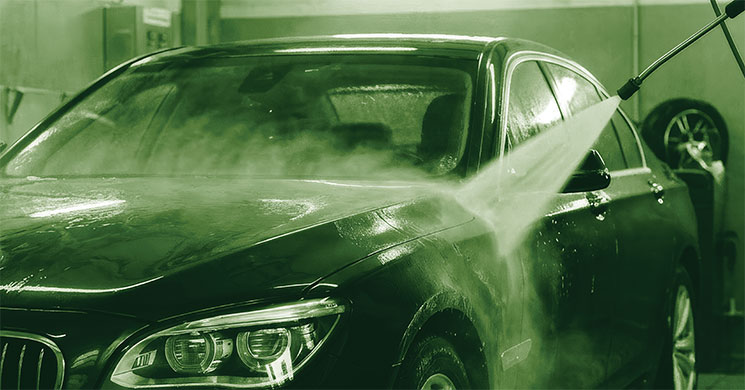
Car windows fogging up happens when warm, moisture-laden air inside the cabin meets the cooler glass surface, and the air can't hold onto that moisture at the lower temperature, so it condenses into the fine water film you see as fog. It's the same basic process as a cold glass of water sweating on a humid day, just happening on the inside of your windscreen instead. The fastest fix is getting dry outside air circulating through the cabin, and the fastest way to prevent it is keeping excess moisture out of the car in the first place.
Warm air holds more moisture than cold air. When humid air inside the cabin touches a window that's colder than the air itself, whether that's from outside temperature, rain, or air conditioning on the glass, the air can't hold that moisture anymore and it condenses on the surface. This is why fogging shows up most on cold mornings, during rain, or right after several people get into a car with the windows shut.
A few everyday sources are usually behind car glass fogging inside the cabin:
When you need visibility back immediately, how to defog car windows fast comes down to this sequence:
Windshield fogging monsoon conditions are a near-perfect setup for condensation. Outside humidity is already high, rain keeps the exterior glass cold and wet, and everyone getting in and out brings in more moisture through wet clothes, umbrellas, and shoes. On top of that, drivers often cycle the AC on and off to manage cabin temperature during monsoon, which interrupts the steady dehumidifying effect that keeps windows clear.
The same fast-defog sequence works in monsoon, but consistency matters more here. Running the AC steadily with recirculation off, rather than switching it on only when fog appears, keeps the cabin drier throughout the drive instead of constantly playing catch-up.
A little monsoon car care goes further than reacting to fog once it's already blocking your view:
If defogger not working describes your problem even after trying the AC and recirculation steps, the issue is likely mechanical or electrical rather than something you can fix by adjusting settings:
If checking the fuse box doesn't resolve it, this is a job for a technician rather than something to keep working around every foggy morning.
Running the AC, blower, and rear defogger continuously through monsoon draws more from your car's electrical system than a typical dry-weather drive. A battery that's already borderline can struggle to keep up with that extra load, on top of everything else monsoon puts on a car.
Amaron Assist offers an at-home Instant Battery Diagnostic in Hyderabad, checking your battery's health and charge retention at your location, which is a useful thing to confirm before monsoon puts extra demand on your electrical system rather than finding out mid-drive.
You can book a battery health check through the Amaron Assist app, on WhatsApp, or by calling the toll-free number 1800-5715858.
Inside fogging happens when warm, humid cabin air meets the cooler glass and condenses. Outside fogging is different and usually clears on its own once the car warms up or the AC runs briefly.
Turn the AC on for its dehumidifying effect, and set the temperature to warm with recirculation off. The combination of AC and fresh air clears fog faster than heat alone.
Rain keeps the outside glass cold while humidity inside the cabin rises from wet clothes, umbrellas, and general moisture, widening the temperature gap that causes condensation.
It helps. AC actively removes moisture from the air as it cools it, which is why running it, even briefly, is part of the fastest way to clear fog.
Start with the fuse box. A blown fuse is the most common and easiest issue to fix, and if that's not it, the problem is likely the blower motor, switch, or wiring, which needs a technician.

In the domain of two-wheeler batteries, Amaron emerges as a symbol of reliability. Their products are meticulously designed using advanced technologies to ensure longevity.