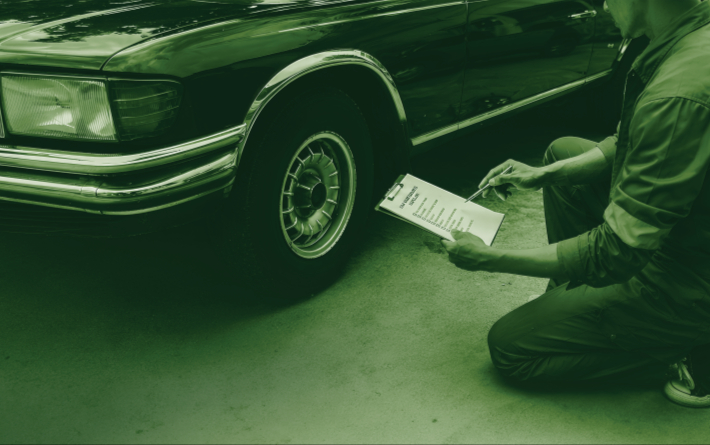
Car Troubleshooting & Diagnosis: How to Identify & Fix Common Car Problems in India

Car Troubleshooting

Identifying a car problem starts with your senses - unusual sounds, smells, vibrations, and dashboard warning lights are how most issues announce themselves. Fixing them depends on the problem: some, like a clogged air filter or corroded battery terminal, you can handle at home in minutes.

Others - grinding brakes, an overheating engine, or a flashing check engine light - need a certified technician immediately. The key to both is knowing the difference, and catching the signal early before a small issue becomes an expensive one.

In Indian conditions, stop-go city traffic, peak summer heat, and monsoon-flooded roads - cars are under constant stress. Most breakdowns don't happen without warning. This guide walks you through how to read those warnings, diagnose the most common problems systematically, what you can inspect yourself, and exactly when to call a professional.

What Is Car Troubleshooting?

Car troubleshooting is a structured diagnostic process - observing symptoms, narrowing down possible causes, testing components, and arriving at a confirmed diagnosis. It's what separates a mechanic who replaces parts until the problem disappears from one who understands root causes.

For everyday car owners, troubleshooting doesn't require workshop tools or technical training. It starts with paying attention - to how your car sounds, feels, smells, and performs. Your senses are the first diagnostic tool, and in many cases, they're enough to identify what's wrong or communicate the problem accurately to a technician.

How to Identify Car Problems Early?

Early identification is everything in car care. A problem caught at the symptom stage costs a fraction of what it costs once components have been damaged. Here's how to develop that awareness:

Listen for Unusual Sounds

Your car should sound the same every day. Any new noise - knocking, squealing, grinding, rattling, or hissing - is a signal that something has changed. Different sounds point to different systems:

  • Knocking or pinging from the engine - often low-quality fuel, incorrect ignition timing, or worn engine bearings
  • Squealing when braking - brake pads are worn and need replacement
  • Grinding when braking - pads are gone; metal is contacting metal. This is urgent
  • Rattling under the car - loose exhaust, worn suspension bushings, or heat shields
  • Hissing from the engine bay - coolant or vacuum leak
  • Clicking when turning - worn CV joints (common in Indian cars over 60,000 km)


Pay Attention to Smells

Unusual smells from a car are rarely harmless. Train yourself to notice these:

  • Burning rubber - a slipping belt, dragging brakes, or a tyre issue
  • Sweet, syrupy smell - coolant leak; the engine is losing coolant and may overheat
  • Rotten egg or sulphur smell - often a failing catalytic converter or overly rich fuel mixture
  • Burning oil - oil dripping onto a hot engine surface; indicates a leak
  • Petrol smell inside the cabin - a fuel system leak; take this seriously immediately
  • Musty smell from AC vents - a dirty cabin air filter or mould in the AC evaporator


Notice Changes in Feel and Performance

How your car drives is a continuous feedback signal. Changes worth noting:

  • Pulling to one side while braking or driving - wheel alignment, tyre pressure, or brake imbalance
  • Vibration in the steering wheel - wheel balance, bent rim, or worn tyres
  • Rough idle or engine shudder when stationary - spark plugs, fuel injectors, or air filter
  • Sluggish acceleration - fuel delivery problem, clogged filter, or transmission issue
  • Gear slipping or jerky shifts - low transmission fluid or clutch wear in manual cars
  • Increased stopping distance - brake pads, brake fluid level, or brake system fault


Read Your Dashboard Warning Lights

Dashboard warning lights are your car's built-in diagnostic system. Never ignore them. Here's what the most common ones mean:

Warning LightWhat It MeansUrgency
Check Engine (CEL)Engine or emission system fault detected by ECUModerate - get diagnosed within days
BatteryCharging system not working; alternator or battery issueHigh - could leave you stranded
Oil PressureEngine oil pressure critically lowSTOP immediately - engine damage risk
TemperatureEngine overheatingSTOP immediately - major damage risk
ABSAnti-lock braking system faultHigh - affects emergency braking
BrakeLow brake fluid or handbrake left engagedHigh - inspect before driving
TPMSOne or more tyres significantly underinflatedModerate - check pressure now
Service DueScheduled maintenance interval reachedLow - book within days

Basic Car Troubleshooting Tips for Every Driver

Before diving into specific problems, these foundational habits make troubleshooting faster and more accurate:

Note When the Problem Occurs

Is it only when the engine is cold? Only at high speed? Only when braking? Only in the morning? Context narrows down causes dramatically. A noise that only appears during turning points immediately to steering or suspension - not the engine.

Use All Your Senses Systematically

Before starting the engine, do a slow walk around the car. Look for fluid puddles underneath (check the colour - oil is dark brown, coolant is green or orange, brake fluid is pale yellow). Look at tyre condition and inflation. Check under the bonnet for cracked hoses, loose wires, or residue around the battery.

Recreate the Problem Deliberately

If your car pulls to the left, test it on a quiet straight road. If there's a noise at speed, drive on a highway and listen carefully. Problems that can be recreated are far easier to diagnose than intermittent ones.

Use an OBD-II Scanner

Every car made after 2000 has an OBD-II port (usually under the dashboard on the driver's side). A basic OBD-II scanner - available for under ₹2,000 - reads the fault codes stored in the car's ECU when the check engine light comes on. This transforms a vague warning into a specific diagnostic code.

Check the Obvious First

Experienced mechanics know that most problems have simple causes. Before assuming the worst,  check tyre pressures, fluid levels, and battery terminals . A car that 'won't start' is often a flat battery or a loose battery connection.

Document What You Find

Write down the symptoms, when they appeared, and any codes your scanner shows. This makes communicating the problem to a technician far more efficient and reduces the chance of misdiagnosis.

Troubleshooting Common Car Problems in India

Here are the most frequently reported car problems in India - with a structured approach to diagnosing and handling each one.

1.  Car Won't Start

Symptoms:

  • Engine cranks but doesn't fire
  • Complete silence when turning the key - no crank at all
  • One click sound when key is turned
  • Engine cranks normally but refuses to start

What to check:

  • Battery - most common cause; check terminal connections and voltage
  • Starter motor - the solenoid may click but motor fails to engage
  • Fuel system - fuel pump failure, empty tank, or clogged fuel filter
  • Ignition system - faulty ignition switch, spark plugs, or ignition coil
  • Anti-theft / immobiliser - triggered accidentally in some vehicles

DIY first steps:


2.  Engine Warning Signs

Symptoms:

  • Check engine light is illuminated
  • Rough idle, misfiring, or engine shaking
  • Loss of power during acceleration
  • Excessive fuel consumption with no change in driving pattern
  • Black, white, or blue exhaust smoke

What to check:

  • Spark plugs - fouled or worn plugs cause misfires and rough idle
  • Air filter - a clogged filter starves the engine of air
  • Fuel injectors - dirty injectors disrupt the fuel spray pattern
  • Mass airflow sensor - a dirty MAF sensor causes incorrect fuel metering
  • EGR valve - carbon build-up causes rough idle and increased emissions
  • Head gasket - white smoke and coolant loss together suggest a serious leak

DIY first steps:

  • Scan for OBD-II fault codes to identify the specific cylinder or sensor causing the issue
  • Inspect and replace the air filter if it's visibly dirty - this is a simple DIY fix
  • Check the oil for a milky appearance (indicating coolant mixing with oil) - a head gasket symptom
  • Note the colour of exhaust smoke: black means rich fuel mixture, white means coolant burning, blue means oil burning


3.  Brake Problems

Symptoms:

  • Squealing or squeaking noise when braking
  • Grinding metal-on-metal sound during braking
  • Brake pedal feels soft, spongy, or goes too far to the floor
  • Car pulls to one side when braking
  • Vibration or pulsation felt through the pedal
  • Brake warning light illuminated

What to check:

  • Worn brake pads - the most common brake issue in Indian conditions
  • Warped brake discs - caused by prolonged heavy braking, especially in city traffic
  • Low or contaminated brake fluid - leads to a spongy pedal
  • Air in brake lines - creates a soft, unresponsive pedal feel
  • Seized brake caliper - causes the car to pull to one side
  • Worn brake drums (rear drums in budget vehicles)

DIY first steps:

  • Check brake fluid level in the reservoir - top up with the correct specification if low
  • Look through the wheel spokes at the brake disc - visible scoring or deep grooves indicate wear
  • Press the brake pedal slowly with the engine running - it should be firm and not travel more than halfway to the floor
  • Test braking gently in a safe space and note any pulling direction


4.  Engine Overheating

Symptoms:

  • Temperature gauge moving into the red zone
  • Steam or vapour rising from the bonnet
  • Sweet smell of coolant from the engine bay
  • Heater suddenly blowing cold air (sign of low coolant)
  • Engine warning light combined with high temperature

What to check:

  • Low coolant level - most common cause; check for leaks under the car
  • Faulty thermostat - stuck closed, preventing coolant flow
  • Blocked radiator - fin blockage common in Indian conditions due to dust and debris
  • Failed water pump - coolant stops circulating
  • Broken radiator fan - fan fails to draw air through the radiator during idle
  • Head gasket failure - in serious cases, combustion gases enter the coolant system

DIY first steps:

  • STOP the car safely and turn off the engine immediately - continuing risks catastrophic damage
  • Never open the radiator cap on a hot engine - wait at least 30-45 minutes
  • Once cooled, check coolant level and look for visible leaks around hoses and the radiator
  • Check the radiator fan by turning on AC with engine idling - the fan should run


5.  Steering & Suspension Issues

Symptoms:

  • Steering wheel vibrates at certain speeds
  • Car pulls to one side when driving straight
  • Clunking or knocking sound over bumps
  • Steering feels heavy or requires more effort than usual
  • Uneven tyre wear on front tyres
  • Vehicle bounces excessively over road imperfections

What to check:

  • Wheel imbalance - causes vibration at 60-80 kmph
  • Wheel misalignment - causes pulling and uneven tyre wear
  • Worn shock absorbers or struts - causes excessive bouncing
  • Worn ball joints or bushings - causes clunking over bumps
  • Low power steering fluid - causes heavy steering in hydraulic systems
  • CV joint wear - clicking during turns, common after 60,000 km

DIY first steps:

  • Check tyre pressure in all four tyres first - incorrect pressure mimics alignment issues
  • Check power steering fluid level if steering feels heavy
  • Observe tyre wear pattern - inner or outer edge wear indicates alignment issues
  • Bounce the front corners of the car - more than two bounces before settling indicates worn shocks


6.  AC Not Cooling Effectively

Symptoms:

  • Air from vents is not cold or blows warm air
  • AC takes a long time to cool the cabin
  • Musty or foul smell from vents
  • AC compressor makes noise or cycles frequently
  • Moisture or water on the floor under the dashboard

What to check:

  • Low refrigerant - the most common reason for weak cooling in Indian cars
  • Clogged cabin air filter - reduces airflow volume significantly
  • Dirty evaporator - collects dust and mould over time, causing odour
  • Compressor failure or clutch wear - compressor stops engaging
  • Blocked condenser - reduces heat dissipation, especially in dusty conditions

DIY first steps:

  • Replace the cabin air filter - a heavily clogged filter dramatically reduces airflow and is a DIY job on most cars
  • Run the AC on MAX and hold your hand near the vents - output should be noticeably cold within 2 minutes
  • Check the condenser (in front of the radiator) for debris blockage after monsoon or dusty highway drives


7.  Tyres: Wear, Pressure & Vibration

Symptoms:

  • TPMS warning light on dashboard
  • Vehicle pulling to one side
  • Uneven or rapid tyre wear
  • Vibration at highway speeds
  • Visible bulging or cracking on tyre sidewall

What to check:

  • Underinflation - the most common tyre issue; causes edge wear and fuel inefficiency
  • Overinflation - causes centre tread wear and a harsh ride
  • Wheel imbalance - causes vibration and cupping wear pattern
  • Misalignment - causes one-sided wear and pulling
  • Sidewall damage - caused by kerb strikes, a common issue on Indian roads

DIY first steps:

  • Check all four tyres (and the spare) monthly with a digital pressure gauge
  • Rotate tyres every 10,000 km - front-to-rear rotation distributes wear evenly
  • Inspect tyre tread with a 2-rupee coin - insert it into the groove; if the coin is fully visible, tread is critically low
  • Check sidewalls visually for bulges, cracks, or cuts after monsoon season


Things You Can Inspect in Your Car at Home

You don't need a workshop or specialised tools to keep tabs on your car's health. These are practical checks any car owner can do at home - ideally every month and before a long trip.

Tools You Need for a Basic Home Inspection

  • Digital tyre pressure gauge (available for ₹200-₹500)
  • Digital multimeter (for battery voltage testing - ₹300-₹800)
  • Flashlight or torch
  • Clean lint-free cloth or rags
  • OBD-II scanner (optional but highly useful - from ₹1,500 upwards)


Monthly Home Inspection Checklist

AreaWhat to CheckWhat to Look For
Engine oilPull dipstick; check level and colourLevel between MIN and MAX; dark but not black or gritty
CoolantCheck reservoir level (engine cold)Between MIN and MAX marks; no discolouration
Brake fluidCheck reservoir under bonnetAt or above MIN mark; not dark brown
BatteryCheck terminals visuallyNo white or blue corrosion deposits
TyresGauge pressure on all 4 tyres + spareMatches door-sticker specification
Tyre tread2-rupee coin testCoin should be partially hidden by tread
Wiper bladesRun on wet windshieldNo skipping, smearing, or streaking
All lightsWalk around with ignition onAll headlights, brake lights, indicators working
Under the carLook for puddles or wet patchesNo drips of oil, coolant, or brake fluid
Brake pedalPress slowly with engine runningFirm feel; should not travel more than halfway


Pre-Long-Trip Inspection

Before any drive over 200 km, add these checks to your routine:

  • Check all fluid levels - engine oil, coolant, brake fluid, power steering fluid, windshield washer
  • Inspect all tyres including the spare - check pressure and look for sidewall cracks or objects embedded in treads
  • Test all lights - headlights on full beam, brake lights (ask someone to watch), hazard lights
  • Check battery terminals and measure resting voltage if you have a multimeter - aim for 12.6V or above
  • Inspect wiper blades and ensure washer fluid is topped up
  • Open the bonnet and look for any cracked, loose, or perished rubber hoses
  • Ensure the spare tyre is inflated to the correct pressure - an underinflated spare is useless in a puncture situation


When to Seek Professional Help

Home checks and DIY troubleshooting have clear limits. Some problems require diagnostic equipment, specialist tools, or technical expertise that no amount of YouTube research can replace. Here's when to stop troubleshooting yourself and call a professional:

SymptomWhy Professional Help Is Essential
Check engine light flashing (not steady)A flashing CEL indicates a live misfire that can damage the catalytic converter - needs immediate diagnosis
Oil pressure warning light onDriving further risks catastrophic engine seizure - stop and call for assistance
Overheating engineContinued driving causes head gasket failure and engine damage - cannot be safely self-diagnosed
Brake pedal sinking to floorBrake system failure is a life-safety issue - no DIY fix is acceptable
Grinding brakesMetal-to-metal contact on brake discs causes rapid damage - needs same-day attention
Steering loss or pulling severelyA steering or suspension failure affects vehicle control - must be professionally inspected
Electrical faults (multiple systems failing)Wiring, ECU, or grounding faults require diagnostic equipment and expertise
Fuel smell inside cabinA fuel leak is a fire hazard - do not start the car; call for help immediately
Visible coolant leak under carCoolant loss leads to overheating; a pressure test is needed to locate the leak source


A useful rule of thumb: if the problem involves brakes, the fuel system, steering, the engine warning light, or anything that affects safe control of the vehicle - don't drive and don't guess. Get a professional diagnosis.

Amaron Assist: Professional Car Diagnosis at Your Doorstep

Knowing what's wrong with your car is only half the problem. Getting it sorted without the hassle of towing, queuing at a service centre, or second-guessing a roadside mechanic - that's the other half.

Amaron Assist brings certified automotive technicians directly to your location - whether you're at home, at the office, or stuck on the roadside. The service covers battery health checks and service, jump-start assistance, routine car servicing, oil changes, brake inspections, and comprehensive vehicle checkups - all performed with professional tools and backed by a detailed service report after every job.

The process is simple. Share your car model and the problem you're experiencing via WhatsApp, or request a callback on the Amaron Assist website. You get transparent pricing, a convenient time slot, and a qualified technician who arrives fully equipped to diagnose and service your vehicle on the spot.

For Indian car owners who'd rather not lose half a working day to a workshop visit - especially for something that could be handled right where the car is parked - Amaron Assist is a reliable, professional alternative that doesn't compromise on the quality of service.

Frequently Asked Questions

  • Why is routine car inspection important?

    Routine inspections catch developing problems early - before they become breakdowns or expensive repairs. Regular checks of fluid levels, tyres, brakes, and lights keep your car safe and reliable. In Indian conditions, where heat, dust, and traffic accelerate component wear, consistent inspection is what separates a well-maintained car from one that leaves you stranded.

  • How often should I inspect my car?

    A basic visual check - looking for fluid leaks, inspecting tyre condition, and checking lights - should ideally be done weekly or before any long trip. A more thorough inspection covering all fluid levels, battery condition, tyre pressure, and brake feel should be done monthly. A professional full vehicle checkup should happen every 6 months or 10,000 km alongside your scheduled car service.

  • Can I perform a car inspection myself?

    Yes - many checks are practical for any car owner. Fluid levels, tyre pressure, tread depth, battery terminal condition, wiper performance, and light function can all be checked without specialist tools. An inexpensive OBD-II scanner lets you read fault codes at home. However, brake system inspection, suspension assessment, and electrical diagnosis should be left to a certified technician.

  • What are the most common car problems found during an inspection in India?

    The most frequently identified issues are low or degraded engine oil, worn brake pads, underinflated or worn tyres, corroded battery terminals, a weak battery, dirty air filters, and low coolant levels. In cities with extreme heat or monsoon exposure, AC performance issues and coolant system problems are also commonly found.

idea

In the domain of two-wheeler batteries, Amaron emerges as a symbol of reliability. Their products are meticulously designed using advanced technologies to ensure longevity.