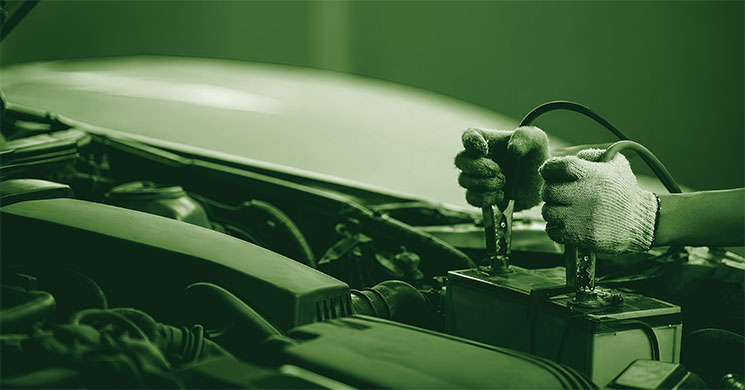
It depends on the cause. Corroded terminals, loose connections, and a simple discharge can genuinely be fixed at home. Internal cell damage, cracking, or a battery that won't hold charge after a full recharge needs replacing, not repairing.
Most of what looks like a failed battery can genuinely be fixed at home - cleaning corroded terminals, tightening a loose connection, or recharging a weak-but-not-dead battery - but a battery with internal cell damage can't be repaired in any meaningful way and needs replacing. Car Battery repair at home is really about diagnosis and maintenance rather than fixing the battery itself, and knowing the difference saves you from either giving up too early on a fixable battery or wasting time on one that's genuinely done.
A battery that won't start the car isn't automatically a dead battery - it's often a maintenance issue wearing a dead battery's clothes. In fact, a fair share of batteries replaced prematurely across Indian workshops were never actually beyond saving; they just needed a proper clean and test rather than a straight swap. This guide walks through exactly how to test, clean, and troubleshoot your battery at home, step by step, with an honest read on when DIY stops being useful and a professional check takes over.
The honest answer to can a car battery be repaired is: it depends entirely on what's actually wrong. A lead-acid battery doesn't have a meaningful home repair path for internal problems - a cracked cell, sulfated plates beyond recovery, or physical damage to the case means the battery needs replacing, not fixing. What genuinely responds to DIY intervention is everything around the battery and its surface-level condition.
This distinction matters because a lot of what gets called "battery repair" online is really about testing and cleaning - genuinely useful skills, but not the same as fixing internal battery damage, which isn't something any home process can safely undo. Understanding this upfront saves you from two common mistakes: giving up on a perfectly salvageable battery too early, or spending hours trying to revive one that was genuinely beyond help from the start.
Before starting any how to repair battery at home process, gather these - all inexpensive and available at any local hardware or automotive store in India.
A proper car battery health check starts with a voltage reading, since it's the fastest way to know roughly what you're dealing with before touching anything else.
| Voltage Reading (Engine Off) | What It Means |
|---|---|
| 12.6V or higher | Fully charged, healthy battery |
| 12.4V - 12.6V | Adequately charged, monitor |
| 12.0V - 12.4V | Discharged, needs recharging |
| Below 12.0V | Significantly discharged or failing |
How to do it: Set your multimeter to the 20V DC setting, touch the red probe to the positive terminal and the black probe to the negative terminal, and read the display. Test this with the engine off and the car unused for at least an hour beforehand, since a recently driven car will show a higher, less accurate reading.
With the engine running, the same multimeter test should read 13.5-14.5V - this tells you whether the alternator is actually recharging the battery while you drive. If the resting voltage was fine but this running reading is low, the issue may be the charging system rather than the battery itself. Our dedicated guide on jump-starting vs battery replacement covers this distinction in more depth if your readings point this way.
This is the single most common fix under the banner of how to fix car battery problems, since corrosion is often mistaken for a dead battery when the battery itself is perfectly fine.
Most batteries sold in India today are maintenance-free and sealed, so this step doesn't apply to them - there's no cap to open or fluid to check. If you have an older-style serviceable battery with removable caps, though, this is part of how to repair battery maintenance worth doing every few months: check that the electrolyte covers the plates inside each cell, and top up with distilled water only - never tap water and never acid - if the level has dropped.
If your voltage test showed a battery that's discharged but otherwise healthy - no corrosion, no visible damage, under 4 years old - repair car battery in this context usually just means a proper recharge rather than anything more involved. A basic battery charger, connected according to its instructions and left to run for several hours, can bring a discharged battery back to a healthy voltage. Driving the car for 20-30 minutes afterward helps confirm the alternator is maintaining that charge on its own.
Not every car battery repair attempt should end at home, and knowing when to hand it over saves you from making a fixable problem worse.
Whether your battery just needed a clean or a proper recharge, how to repair car battery at home is really only half the picture - a few ongoing habits help it last longer once you're done with the immediate fix.
Basic battery repairing skills like these won't fix a battery that's genuinely failed, but they meaningfully extend the life of a healthy one and catch small issues before they become breakdowns.
If you've worked through these steps and you're still not sure whether the battery is genuinely fine or quietly failing, a professional battery check near me settles it with proper equipment rather than a home multimeter reading alone. Amaron Assist offers doorstep battery health checks in Hyderabad - testing voltage, load performance, and terminal condition at your location - so you get a definitive answer on your battery's condition without driving anywhere.
It depends on the cause. Corroded terminals, loose connections, and a simple discharge can genuinely be fixed at home. Internal cell damage, cracking, or a battery that won't hold charge after a full recharge needs replacing, not repairing.
A healthy, fully charged battery reads 12.6V or higher with the engine off. Readings between 12.0-12.4V indicate a battery that needs recharging, while anything below 12.0V suggests significant discharge or failure.
Disconnect the negative terminal first, then positive, and scrub the corrosion with a baking soda and water mixture using a terminal brush. Rinse, dry thoroughly, and reconnect positive first, then negative.
Every 2-3 months is a reasonable interval for a quick voltage check, with a more thorough clean and inspection every 6 months or at each scheduled service.
Most car batteries in Indian conditions last 2-4 years, often shorter than the global average due to sustained heat, which accelerates internal wear.

In the domain of two-wheeler batteries, Amaron emerges as a symbol of reliability. Their products are meticulously designed using advanced technologies to ensure longevity.