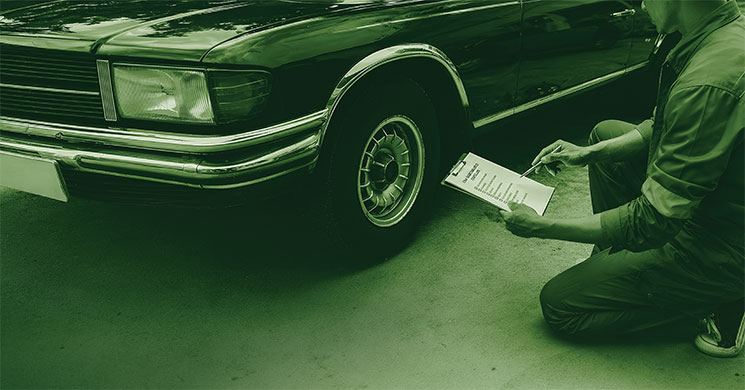
Battery diagnostics, brake pad checks and replacement, AC gas top-ups, warning light diagnostics, electrical fixes, and full periodic servicing can typically be done at home by a properly equipped technician.
Getting a car repair at home in India can genuinely handle a wide range of work - battery diagnostics, brake pad checks, AC gas top-ups, warning light diagnostics, minor electrical fixes, and full periodic servicing - all at your doorstep with a technician carrying diagnostic tools and common spare parts. What they can't do is anything that needs a vehicle lift or heavy fixed equipment: wheel alignment, clutch replacement, suspension overhauls, gearbox work, or major bodywork all still require a proper workshop.
Home car repair services India have grown well beyond basic servicing over the past few years, and the range of what's genuinely possible at your home or office is wider than most car owners assume. What used to mean just an oil change at your doorstep now often includes brake work, AC diagnostics, and full electrical troubleshooting, carried out by a technician who arrives with a proper diagnostic scanner rather than just a toolbox. This guide breaks down exactly where that line sits, why it sits there, and how to tell which side of it your car's problem falls on.
A properly equipped doorstep technician typically arrives with a diagnostic scanner, a set of hand tools, and common consumables and spare parts, which covers a genuinely broad range of issues - far more than the basic oil-change service most people associate with doorstep car care.
Taken together, what can be fixed at home covers the overwhelming majority of what a typical car actually needs across a normal year of ownership - it's the less frequent, more structural repairs that fall outside this scope.
Some repairs are structurally tied to equipment that simply isn't practical to bring to a driveway or parking spot. A professional doorstep service will flag these clearly rather than attempt work it isn't equipped for.
| Repair | Why It Needs a Workshop |
|---|---|
| Wheel alignment and balancing | Requires a fixed alignment rig and balancing machine |
| Clutch replacement | Requires a vehicle lift and transmission access |
| Suspension overhaul | Requires a lift, spring compressors, and specialised tools |
| Gearbox or differential work | Requires a lift and specialist equipment |
| Exhaust system replacement | Requires a lift for undercarriage access |
| Body and paint work | Requires a dedicated bodyshop and paint booth |
| Major engine overhaul | Requires engine hoist and extensive teardown space |
| Full AC compressor replacement | Requires refrigerant recovery equipment and a controlled environment |
The dividing factor isn't complexity in the abstract - it's whether the job needs the car physically raised and held in a fixed position for an extended period, or needs equipment too large or too specialised to transport. A brake pad change, for instance, can be done at home with a jack and jack stands, since the wheel comes off, the pad swaps out, and the wheel goes back on within an hour or so. A full suspension rebuild can't, because it requires the car to stay elevated and stable across multiple steps, often using tools that are bolted to a workshop floor and calibrated to that specific location.
Diagnostic and electrical work sits comfortably on the home-repair side because modern diagnostic scanners are portable and don't need the car raised at all - which is why so much of what causes a warning light or a starting issue can genuinely be assessed and often resolved at your doorstep. The equipment that reads your car's fault codes today fits in a technician's bag; the equipment that aligns your wheels or presses a new bushing into a suspension arm does not, and isn't likely to for the foreseeable future.
This is really the core of any doorstep mechanic vs workshop decision - not which one is generally better, but which one actually matches the specific problem in front of you.
For routine work and common repairs, home service pricing is generally comparable to workshop pricing once you account for the value of not having to arrange transport or take time off to drop off and collect your car. A home visit removes the indirect costs that don't show up on the invoice - fuel or cab fare to and from a workshop, the inconvenience of arranging alternate transport for the day, and in some cases a second trip just to collect the car.
Where cost differences show up more is in bigger repairs - a workshop with lower overheads for major jobs can sometimes work out cheaper for extensive work, simply because that kind of job was never realistically a home-service candidate to begin with, and comparing the two doesn't really apply. For everyday maintenance and common fixes, the deciding factor is usually convenience rather than a meaningful price gap either way, and it's worth getting a written estimate regardless of which option you choose so you're comparing like for like.
Doorstep car repair in India started almost entirely with basic servicing - oil changes and general checkups delivered at your home instead of a workshop. Over the past few years, the range has expanded considerably, driven partly by better portable diagnostic equipment and partly by growing demand from car owners who'd rather not lose half a day to a workshop visit for something that doesn't need one.
Today, a car mechanic at home can cover everything from battery and brake work to AC diagnostics and full electrical troubleshooting, and some providers now cover a genuinely wide share of what used to be considered workshop-only territory. This shift is worth knowing about simply because it means the first question worth asking, when your car develops a problem, isn't automatically "which workshop should I go to" - it's increasingly "does this actually need a workshop at all."
For the maintenance and diagnostic work that falls squarely within doorstep scope - periodic servicing, oil changes, filter replacement, fluid top-ups, brake inspections, and battery health checks - Amaron Assist brings a trained Marshal to your location in Hyderabad with the right tools and a detailed report after every visit. It's a straightforward way to stay on top of routine care without adding a workshop trip to your schedule, while bigger repairs that need a lift or specialised equipment can still go to the right workshop based on what this guide covers.
Battery diagnostics, brake pad checks and replacement, AC gas top-ups, warning light diagnostics, electrical fixes, and full periodic servicing can typically be done at home by a properly equipped technician.
Wheel alignment, clutch replacement, suspension overhauls, gearbox work, exhaust replacement, and major bodywork all require a vehicle lift or fixed equipment that isn't practical to bring to a home visit.
For the range of work within doorstep scope, yes, provided the technician is certified and uses proper diagnostic tools. The reliability gap mainly shows up for repairs that genuinely need workshop-only equipment.
For routine maintenance and common repairs, pricing is generally comparable once you factor in the convenience of not transporting the car. Larger repairs are usually workshop-only regardless of cost.
Issues involving warning lights, starting problems, battery health, brakes, or AC cooling are usually good candidates for a home visit. Problems involving handling, gear shifting, or undercarriage noise usually need a workshop.

In the domain of two-wheeler batteries, Amaron emerges as a symbol of reliability. Their products are meticulously designed using advanced technologies to ensure longevity.