 customercare@amararaja.com
 1800-571-4848
-
- Follow us:


Hello, Login/Signup
How to Choose the Right Battery for Your Bike or Scooter
 Amaron
12 mins read
Share this blog


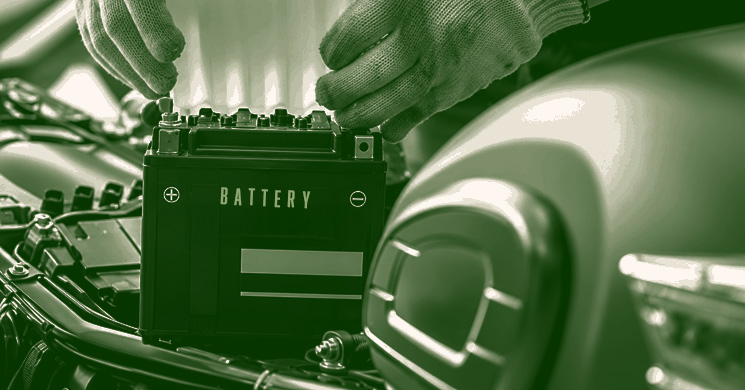
Ever tried starting your bike or scooter only to hear nothing? It’s frustrating, especially when you’re already running late. A weak or failing battery could be the reason your two-wheeler refuses to start.
Your two-wheeler’s battery supplies the power needed to start the engine and helps support and stabilise the vehicle’s electrical system. Once the engine is running, the charging system supplies electrical power and recharges the battery. But the battery is crucial to get things going, hence choosing the best replacement battery is an important decision for reliable starting performance in the long run.
But with so many capacities, specifications, battery price variations, and models out there, how do you know which one fits your vehicle best? The answer is simple: start with your vehicle’s requirements, then choose a battery that matches them.
This guide will walk you through the key things to check before choosing an Amaron two‑wheeler battery, so your scooter or bike stays dependable every time you turn the key.
Why Does Your Two-Wheeler Need a Battery?
A two-wheeler battery must deliver reliable electrical power every time you start the vehicle. It also supports several electrical components when the engine is running.
A well‑matched battery ensures:
- Quick and reliable engine starts
- Steady power for lights and signals
- Support for accessories
- Consistent everyday performance
- Proper compatibility with your vehicle’s electrical system
The right battery also helps you avoid compatibility issues that can arise from using an unsuitable model. Rather than choosing the highest capacity or the lowest-priced option, check your vehicle manufacturer’s recommendations first. A battery that matches the specified voltage, capacity, and dimensions is a sensible starting point.
How to Find the Correct Battery for Your Bike or Scooter?
First, check what your vehicle actually requires. Most modern bikes and scooters use maintenance‑free batteries, which save you the hassle of topping up electrolytes or doing routine checks.
Amaron has batteries for various two-wheeler applications, but before you buy, it’s recommended to go through a fast checklist as follows:
- The recommended battery type
- The voltage required
- Required capacity (Ah required)
- Battery size
- Arrangement of terminals
- The suggested battery model
Instead of frantically searching for a bike battery shop near me only after your motorcycle refuses to start on a rainy morning, checking your current battery model code in advance makes replacement effortless. Furthermore, purchasing your replacement through an authorized amaron battery store ensures you receive a genuine, factory-charged battery backed by an active national warranty.
How to Check Battery Voltage and Ah Requirements
Choosing the right battery isn’t just about electrical specs. It also has to fit your vehicle properly. Before buying, run through this quick checklist:
- Voltage: Match your vehicle manufacturer’s requirement
- Capacity (Ah rating): Check the specified Ah rating
- Dimensions: Ensure the battery fits the battery compartment
- Terminal layout: Ensure the terminals are positioned correctly
- Battery type: Match the recommended battery technology
- Model compatibility: Confirm with the manufacturer’s application guide
Do not assume that batteries with similar dimensions are interchangeable. Always verify the complete specification to avoid performance issues.
How Battery Size and Dimensions Affect Compatibility
For a two-wheeler, the vehicle battery and its size really do matter. It’s not just about capacity or voltage; physical fit matters too.
Here’s what to keep in mind:
- Dimensions: The vehicle battery must fit into the vehicle’s compartment. A large battery won’t fit in, and one that’s too small may move around and cause connection issues.
- Terminal arrangement: Terminals need to be positioned correctly so your cables connect without strain or risk of damage.
- Manufacturer’s specifications: Always check the recommended size and layout in your owner’s manual.
- Model compatibility: Use the manufacturer’s application guide to confirm the exact battery model for your bike or scooter.
How to Check Battery Terminal Position and Polarity
Getting the terminal position and polarity right is just as important as choosing the correct battery size. If the terminals don’t line up properly with your bike or scooter’s wiring, installation becomes difficult and can even damage the electrical system.
Here’s how to check:
✓ Look at the terminal layout
Batteries can have terminals on the left, right, or top. Make sure they match your vehicle’s battery compartment design.
✓ Check polarity (positive/negative)
The positive (+) and negative (–) terminals must align with your vehicle’s wiring. Reversing them can cause serious electrical problems.
✓ Compare with your old battery
The existing battery can be used as an initial reference. But always verify its specifications against the owner's manual or the battery manufacturer's vehicle application guide.
✓ Confirm with manufacturer specs
Your owner’s manual or manufacturer’s guide will clearly state the correct layout. Two-wheeler electrical systems operate within strict voltage and current tolerances:
- Nominal Voltage: Virtually all modern two-wheelers run on a 12V system. When fully charged, resting open-circuit voltage should read between 12.4V and 12.7V. Anything below 12.0V indicates undercharging or internal sulfation.
- Ampere-Hour (Ah) Rating: The Ah rating reflects the battery's energy reserve capacity over a standard 10-hour discharge cycle (C10 rating).
When researching specifications, understanding what is battery and capacity prevents you from undersizing your purchase, which could starve fuel-injection systems of power. For lightweight step-through bikes, the typical moped battery price covers an economical 2.5 Ah to 3 Ah capacity tailored for low electrical loads.
If your battery drains from weeks of storage, connecting it to an unregulated automotive fast battery charger can boil the electrolyte and warp the lead plates; always opt for a dedicated two-wheeler trickle charger.
| Vehicle Category | Typical Displacement | Accurate Capacity Range |
| Mopeds & Light Commuters | 50cc – 100cc | 2.5 Ah – 3 Ah |
| Scooters & Commuters | 100cc – 125cc | 3 Ah – 5 Ah |
| Performance & Sports | 150cc – 250cc | 4 Ah – 8 Ah |
| Cruisers & Multi-Cylinder | 350cc – 650cc+ | 8 Ah – 14 Ah |
Always double‑check terminal position and polarity before buying. A battery that fits physically but has the wrong terminal layout won’t connect safely, which can cause trouble for your two‑wheeler’s electrical system.
Maintenance-Free vs Conventional Two-Wheeler Batteries
For standard bike or scooter batteries, you’re generally looking at two primary types of batteries: maintenance-free and conventional. Choose a maintenance-free battery for reliable and convenient operation. If you don't mind regular servicing and want a lower initial cost, a standard battery may still work.
Maintenance‑Free Batteries
- Sealed design - no need to top up electrolytes
- Less hassle, ideal for everyday riders
- Safer and cleaner since there’s a significantly reduced risk of of acid leakage
- Generally more reliable for modern two‑wheelers
Conventional Batteries
- Require regular electrolyte checks and topping up
- More maintenance effort over time
- Can be less expensive upfront
- Still used in some older vehicles or specific applications
The types of battery suitable for your vehicle depend on its specifications, electrical requirements, and manufacturer's recommendations.
Common Mistakes When Buying a Two-Wheeler Battery
Buying a new battery for your bike or scooter may seem simple, but common blunders can lead to poor performance or compatibility issues. Here’s what to avoid:
| Mistake | Better Approach |
| Buying the cheapest battery | Match specs first, then compare prices |
| Picking higher Ah blindly | Follow the manufacturer's recommended capacity |
| Ignoring dimensions | Ensure proper fit in the battery compartment |
| Overlooking the terminal layout | Check polarity and position before purchase |
| Assuming all models fit | Verify compatibility with your vehicle |
| Forgetting riding habits | Choose a battery suited to your usage pattern |
Two-Wheeler Battery Buying Checklist
Not sure where to start? Use this quick checklist before settling on a battery for your bike or scooter.
- Check Vehicle Specifications: Check the owner's manual or the manufacturer's battery information first.
- Pick the Proper Model: Don’t be swayed by looks; match the specs with the right Amaron battery.
- Check voltage & Ah rating: Check the voltage, capacity, size, terminal arrangement, and battery type.
- Consider your Riding Style: Daily commuting, short journeys, or infrequent use all affect performance.
- Select from the Amaron range on the right: Choose a battery that suits your vehicle's needs, not just the biggest or cheapest option.
- Check Warranty and After-Sales Support: Review the warranty terms and available support before making your purchase.
Once these details are in place, comparing suitable models becomes much easier, and you're less likely to end up with a battery that doesn't meet your needs. At an Amaron battery store, you can check battery compatibility, warranty details, and replacement options for your two-wheeler.
Conclusion
If your bike or scooter cranks slowly or fails to start, a weak or discharged battery may be one possible cause. Check the battery condition and electrical system before deciding that replacement is necessary. The sensible way to choose a replacement is to match the model to your vehicle’s specifications, such as voltage, Ah rating, size, terminal arrangement, and battery type.
It depends partly on how you ride. Short journeys, regular commutes, or keeping your scooter parked for weeks all affect how the battery charges and functions.
Visiting an Amaron battery store can help you explore battery options suited to your bike or scooter's specifications. If you’re looking for a convenient place to buy, search for a bike battery shop near me to find trusted options close by.

×
In the domain of two-wheeler batteries, Amaron emerges as a symbol of reliability. Their products are meticulously designed using advanced technologies to ensure longevity.