 customercare@amararaja.com
 1800-571-4848
-
- Follow us:


Hello, Login/Signup
How to Clean Alloy Wheels: Brake Dust, Grime & Early Corrosion
 Amaron
8 mins read
Share this blog


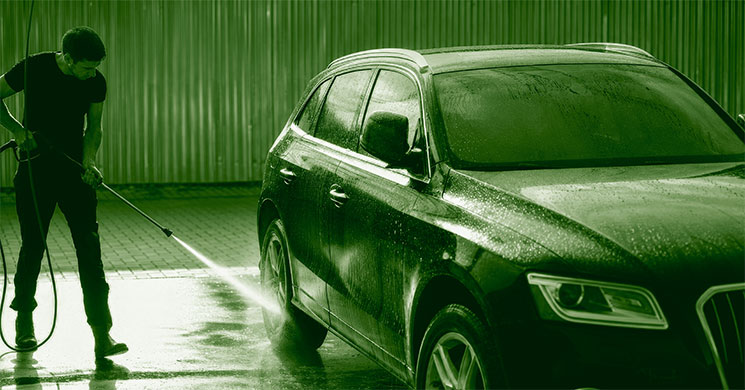
How to clean alloy wheels properly comes down to using a non-acidic, wheel-specific cleaner on cool wheels, agitating gently with a dedicated wheel brush rather than your regular wash mitt, and rinsing thoroughly before anything dries on the surface. Wheels collect a different kind of grime than the rest of your car does, mostly brake dust, which is tougher, more abrasive, and more chemically reactive than ordinary road dirt, so treating them the same as your paintwork usually does more harm than good.
Why Brake Dust Is Tougher Than Regular Dirt
Brake dust is a mix of fine metallic particles thrown off as your brake pads and rotors wear, along with friction material and road grime, and a lot of it gets baked onto the wheel surface by the heat generated during braking. That baked-on quality is exactly why it doesn't rinse off the way ordinary dust does.
It's also more than just cosmetic. Many modern brake pads contain metallic content that can react with the aluminium in your wheels when moisture is present, and left to sit for long stretches, this buildup can contribute to surface pitting rather than staying a purely visual problem.
What Causes Alloy Wheel Corrosion
Alloy wheel corrosion isn't rust in the traditional sense, since alloy wheels are primarily aluminium rather than iron, but aluminium degrades in its own way when its protective clear coat is compromised. A few common triggers:
- Clear coat damage: once the protective coating on a wheel chips, scratches, or wears through, the exposed aluminium underneath is far more vulnerable to oxidation and pitting.
- Curb rash: scraping a wheel against a curb strips away the protective finish at that exact spot, leaving bare metal exposed going forward.
- Brake dust and moisture sitting together: left uncleaned for long periods, especially through humid or rainy weather, this combination accelerates surface corrosion at a faster rate than either factor alone.
- Mismatched metal contact: steel lug nuts or hardware against aluminium wheels can, in the presence of moisture, contribute to localized corrosion around the contact points over time.
How to Clean Alloy Wheels at Home, Step by Step
Alloy wheel cleaning at home works best in this order:
- Make sure the wheels are cool to the touch, not fresh off a drive. Cleaning hot wheels can cause cleaning products to dry and streak before they've had a chance to work.
- Spray a non-acidic, wheel-specific cleaner evenly across the face of the wheel and into the inner barrel, rather than a general all-purpose cleaner.
- Let the cleaner sit for the time stated on the product, then agitate gently with a soft wheel brush, using a smaller detailing brush to reach tight spots around the spokes and lug nuts.
- Rinse thoroughly with clean water until no cleaner residue or dislodged grime remains.
- Dry with a separate microfiber towel from the one used on your car's paint, to avoid transferring any leftover brake dust particles onto the body.
How to Remove Tar From Car Wheels
Tar and asphalt residue need a different approach than a regular wash can manage. To remove tar from car wheels without damaging the finish, apply a dedicated tar remover or a light penetrating spray directly to the spot, let it sit for a few minutes to soften the tar, then wipe it away gently with a clean cloth rather than scraping at it. Always rinse the treated area afterward, and test any product on a small, inconspicuous spot first, since some formulations can affect certain wheel finishes.
Cleaning Alloy Wheels Without Damaging Them
A few habits separate a wheel cleaning routine that protects the finish from one that slowly wears it down:
- Use a non-acidic wheel cleaner as your default. Acidic formulas clean faster but can etch or discolor certain wheel finishes over repeated use, particularly polished or machined-face alloys.
- Keep a wheel brush and drying towel completely separate from whatever you use on the car's paint, since brake dust particles can scratch paintwork if they're transferred across.
- Avoid pointing a pressure washer directly and closely at the wheel face for extended periods, which can be harsh on some clear coats over time.
- Skip stiff-bristled brushes or anything abrasive on a machined or polished finish specifically, where scratches show up more visibly than on a standard painted alloy.
How Often Should You Clean Your Wheels
Wheels generally need attention more often than the rest of the car, since brake dust builds up continuously with regular driving rather than just from being parked outside. Cleaning them roughly every one to two weeks, or whenever visible dust buildup appears, keeps grime from baking on repeatedly and makes each subsequent clean easier than the last.
When Wheels Need More Than a Wash
Alloy wheel cleaning is one of the confirmed inclusions in Amaron Assist's 360° Deep Cleaning package, alongside the rest of the exterior and interior detailing that goes into a full clean, rather than something you need to book separately. If your wheels are already showing early pitting or corrosion rather than just dust buildup, that's worth a closer look before it spreads.
You can book an at-home car wash or deep cleaning through the Amaron Assist app, on WhatsApp, or by calling the toll-free number 1800-5715858.

×
In the domain of two-wheeler batteries, Amaron emerges as a symbol of reliability. Their products are meticulously designed using advanced technologies to ensure longevity.