Water Wash vs. Diesel Wash vs. Foam Wash: Which Is Best for Your Car?

water wash

Foam wash is the best all round choice for most cars, water wash is fine for light daily dust, and diesel wash should be avoided entirely, since it strips wax and can damage paint with repeated use. When people search water wash near me, they're usually looking for a quick, no frills clean for everyday dirt, not a wash meant to protect paint long term. Foam wash adds a soap layer that lifts dirt before a cloth or sponge touches the surface, which is why it causes far less scratching than a plain rinse. Diesel wash sits in a different category altogether, effective on stubborn tar and grease, but the same solvent properties that cut through grime also eat into your car's wax layer and, over time, its paint.

What Is a Water Wash?

A water wash is the simplest cleaning method. A hose or pressure washer rinses off surface dust and loose dirt, sometimes followed by a manual wipe with a cloth. It uses no soap or foam, which makes it the fastest and cheapest option, and also the least effective at lifting anything beyond light dust.

For someone searching water wash near me for car, the appeal is usually speed and low cost rather than a deep clean. It works well between proper washes, especially after a light dust settle overnight, but it does little for bird droppings, tree sap, or road grime that has already bonded to the paint. Relying on a water wash alone, week after week, tends to leave a thin film of grime that a plain rinse can't lift, which is why most owners pair it with an occasional foam wash rather than using it exclusively.

What Is a Foam Wash?

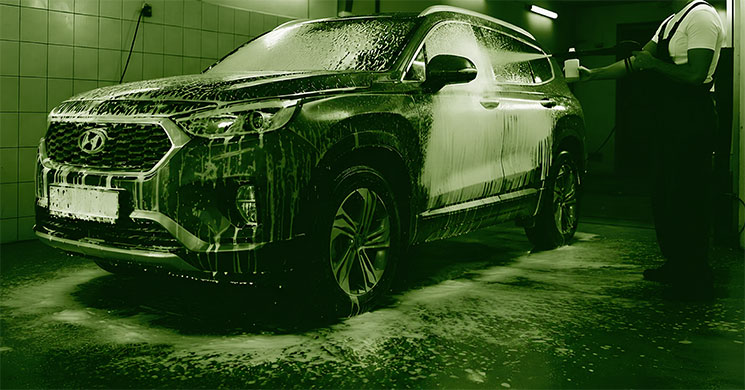
A foam wash adds a layer of soap foam across the car before any contact with a cloth or brush. The foam clings to dirt particles and starts lifting them off the surface, so by the time a cloth or sponge touches the paint, most of the abrasive grit is already gone.

This is the main reason foam wash is considered safer for paint than a plain water rinse. Fewer hard particles get dragged across the surface during wiping, which means fewer swirl marks and micro scratches over time. Foam wash typically costs a bit more than a basic water wash, but for a car washed weekly or fortnightly, it's the better default choice. It also tends to include a light interior wipe down in most packages, which a basic water wash usually skips entirely.

What Is a Diesel Wash, and Why Is It Risky?

A diesel wash uses diesel fuel, and sometimes petrol, as a solvent to cut through tar, grease, and stubborn road grime that soap and water can't fully remove. It's still offered at some roadside stalls in India because it works fast on the kind of buildup a normal wash leaves behind, and because diesel itself is cheap and easy to source compared to a dedicated degreaser.

The problem is that diesel doesn't stop at the dirt. It strips existing wax off the paint, and repeated exposure can dull the clear coat and cause long term discolouration. Diesel also softens and degrades rubber seals, plastic trim, and tyre sidewalls over time, since these materials weren't built to handle regular solvent exposure. On top of that, it's flammable, releases volatile organic compounds into the air, and contaminates runoff water and soil when washed off in the open, which is why several detailing professionals in India advise against it entirely.

Anyone searching diesel wash near me is usually dealing with tar spots or heavy grease that a regular wash hasn't shifted. A dedicated tar and adhesive remover, or a proper detailing session, addresses the same problem without the paint and environmental risk. The same caution applies to a diesel wash car near me search, and to petrol wash near me, since petrol carries similar solvent risks to paint and rubber trim.

Water Wash vs Diesel Wash vs Foam Wash: Side by Side

Laid out next to each other, the trade offs between these three methods become easier to weigh than reading about them one at a time.

FactorWater WashFoam WashDiesel Wash
Paint safetyModerateHighLow
Best forLight daily dustRegular full washNot recommended
SpeedFastestModerateModerate
Typical costLowestModerateVaries, often unregulated
Removes tar or greaseNoPartiallyYes, but damages paint


The table makes the trade off clear. Diesel wins on cutting through tough grime, but it's the only method on this list that actively works against your paint's long term condition rather than protecting it. A diesel wash that looks li ke a bargain today often shows up later as a paint correction bill, once the wax layer is gone and the clear coat has dulled.

Quick Wash and Instant Car Wash: Where Do They Fit In?

Quick wash near me and instant car wash searches are usually about speed, not a separate cleaning method. A quick car wash is typically a fast water or light foam wash finished in a few minutes, aimed at people who want the car looking presentable rather than deep cleaned.

These services are convenient for a same day touch up before a meeting or a trip, but they skip steps a full wash would normally include, like a proper foam soak or an interior wipe down. It's worth checking what's actually included before assuming a quick wash covers the same ground as a standard one. Some providers use "quick" to mean a shorter version of a foam wash, while others simply mean a faster water rinse, so the label alone doesn't tell you much.

Which Wash Is Best for Your Car?

  • Light daily dust. A plain water wash is enough, especially between proper washes.
  • Regular weekly or fortnightly wash. Foam wash is the better default, since it protects paint while still doing a thorough job.
  • Tar spots or heavy grease. Use a dedicated tar and adhesive remover or a professional detailing session, not diesel.
  • Time crunched, presentable finish needed. A quick wash works, but confirm what's included before you rely on it as your only wash for the week.

There's no single best method across every situation. The right choice depends on what your car actually needs that day, not which option happens to be closest or cheapest. A car parked outdoors under trees needs a different approach than one parked in a covered garage, and factoring that in usually matters more than the price difference between wash types.

Spotting Tar and Grease Before It Needs a Diesel Wash

Most cars end up at a diesel wash because tar spots or grease film were left too long, not because a regular wash couldn't have handled them earlier. Catching the buildup while it's still fresh keeps a car within reach of a foam wash and a dedicated spot remover, without ever needing diesel.

  • Run a hand over the paint after a wash. Rough, gritty patches usually mean tar or embedded contamination starting to bond to the surface.
  • Check the lower doors, wheel arches, and rear bumper first, since these areas collect road spray and tar the most.
  • Treat fresh tar spots with a proper tar remover as soon as you notice them. Fresh tar lifts far more easily than tar that's had weeks to harden.

A car washed on a regular schedule rarely accumulates the kind of buildup that pushes owners toward diesel in the first place.

Car Wash at Home with Amaron Assist

Amaron Assist's car wash at home uses a foam based wash, not diesel or a plain rinse, so your paint gets a proper clean without the risks a diesel wash carries. The service starts at ₹699, takes about 90 minutes, and is carried out by trained Marshal.

Every visit comes with a 30 day, 1,000 km service guarantee. With 5,000+ customers served and a 4.9 rating, Amaron Assist covers 40+ areas across Hyderabad. Booking directly also means you know exactly what wash method is being used on your car before the Marshal even arrives, instead of finding out after the fact. Book through the Amaron Assist app or call 1800-5715858 for a wash that's fast without cutting the corners a diesel or roadside rinse does.

Frequently Asked Questions

  • Is diesel wash safe for my car?

    No. Diesel wash is not safe for regular use. While it removes tar and grease quickly, it strips wax and can damage paint and clear coat with repeated use. It's also a fire hazard and an environmental hazard once washed off, which is why most detailing professionals in India recommend against it entirely.

  • What is the difference between a water wash and a foam wash?

    A water wash is a plain rinse with no soap, best for light dust between proper washes. A foam wash adds a soap layer that lifts dirt before contact, reducing scratch risk. Foam wash costs slightly more but gives a more thorough, paint safer clean overall.

  • How do I find a good car water wash near me?

    Car water wash near me searches work best when you also check what's included, plain rinse versus foam versus interior cleaning, rather than comparing price alone. A cheap water wash and a foam wash aren't the same service, even if both get called a wash.

  • Is a quick car wash as good as a full wash?

    A quick car wash trades thoroughness for speed, usually skipping a proper foam soak or interior cleaning. It works for a same day touch up but shouldn't replace a full wash on a regular schedule, since surface grime builds up faster than a quick rinse removes it.

  • Can diesel wash remove tar from my car safely?

    Diesel does remove tar effectively, but not safely. It strips wax and can damage paint with repeated use. A dedicated tar and adhesive remover, or a professional detailing session, clears the same tar spots without the paint or environmental risk diesel carries.

idea

In the domain of two-wheeler batteries, Amaron emerges as a symbol of reliability. Their products are meticulously designed using advanced technologies to ensure longevity.